Launching a website used to follow a predictable routine. Weeks of wireframes, endless design revisions, long coding cycles, testing phases, and finally deployment. Even small changes required careful planning and manual effort.
Now the workflow looks completely different. A developer can describe a feature, generate working code in minutes, preview the interface instantly, and refine the system while the site is already running.
This shift is not just about faster tools. It represents a deeper change in how websites are conceived and built. In 2026, development will increasingly begin with artificial intelligence at the center of the process. Instead of writing every piece manually, developers design systems where AI participates in coding, design decisions, testing, and optimization.
This approach is known as AI-first web development, and it is reshaping how modern sites come to life.
What AI First Development Actually Means
AI-first development does not mean developers disappear. The role changes.
Traditionally, developers wrote most of the code line by line. AI tools acted only as small helpers that suggested snippets or completed simple functions. That stage has passed.
Today, AI systems assist throughout the entire development lifecycle. They help plan architecture, generate interfaces, detect vulnerabilities, explain unfamiliar code, and even produce documentation.
In practical terms, developers now act more like system architects. Instead of manually implementing every detail, they guide intelligent tools that handle large portions of the mechanical work.
This transformation allows development teams to focus on the structure, logic, and user experience of a product rather than repetitive coding tasks.
Faster Development Without Sacrificing Quality
One of the most visible effects of AI-first workflows is speed.
Building a complete web application used to require weeks of scaffolding before meaningful work even started. Setting up routing systems, configuring build tools, and writing basic boilerplate consumed valuable time.
AI dramatically reduces this overhead. Development environments can now generate initial project structures instantly. From there, AI assistants help create components, handle repetitive patterns, and suggest improvements.
Instead of spending hours writing routine code, developers focus on refining the behavior and performance of the application.
Key areas where AI accelerates development include:
- Automatic generation of common UI components
- Instant code suggestions for complex functions
- Intelligent debugging assistance
- Real-time documentation creation
- Automatic refactoring for cleaner code
This speed advantage does not necessarily reduce quality. In many cases, it improves it because AI can identify errors or inefficiencies early in the process.
Design Is Becoming More Adaptive
Web design is also experiencing a major shift. AI-powered design systems now analyze user patterns and suggest layouts that match real browsing behavior.
Instead of starting from a blank canvas, designers receive intelligent recommendations for spacing, typography, visual hierarchy, and responsiveness.
This changes how design decisions happen.
Rather than relying only on intuition, teams can test multiple design variations quickly and observe which version performs best. AI systems can generate several layout options within seconds, allowing developers and designers to compare usability and engagement before finalizing a structure.
Another advantage appears in responsive design. AI tools can automatically adjust layout structures for different screen sizes, reducing the need for manual adjustments across devices.
The result is faster design cycles and more adaptable interfaces.
Websites That Learn From Users
AI-first development also introduces something traditional sites rarely achieve effectively: continuous learning.
Modern websites can analyze visitor behavior and adjust experiences dynamically. This goes far beyond simple personalization.
AI systems evaluate patterns such as:
- Navigation paths
- Time spent on pages
- Interaction with elements
- Device behavior and browsing context
With this data, websites can adapt content, layout emphasis, or navigation flow to match user behavior.
A visitor exploring a product page might see different recommendations or content arrangements compared to someone researching information. The site becomes more responsive to intent rather than showing the same static structure to everyone.
This capability is one reason AI-driven development is often mentioned alongside broader AI trends that redefine technology, because it moves digital products closer to adaptive systems rather than fixed interfaces.
Codebases Are Becoming Easier to Manage
Large web projects often struggle with complexity. Over time, codebases grow difficult to navigate. New developers spend days trying to understand how different modules interact.
AI tools now simplify this challenge.
Developers can ask AI systems to explain unfamiliar code, trace logic flows, and highlight dependencies between components. Instead of reading hundreds of files manually, teams can explore systems through natural language queries.
This dramatically shortens onboarding time for new contributors and reduces the risk of accidental errors during updates.
AI can also detect potential issues inside large systems. For example, it may identify inefficient queries, outdated libraries, or inconsistent coding patterns before they cause performance problems.
Maintaining large websites becomes more manageable when intelligent systems monitor structure continuously.
Testing and Security Are Becoming Automated
Testing used to consume significant time near the end of development cycles. Developers wrote manual test cases and checked site behavior across multiple devices.
AI is changing this process.
Automated systems can now generate test scenarios, simulate user interactions, and evaluate performance under different conditions. Instead of waiting until the final stages, testing can happen continuously during development.
Security also benefits from this approach. AI tools analyze code patterns and identify vulnerabilities early in the workflow. When a risky configuration appears, the system can highlight the issue and suggest safer alternatives.
This proactive approach reduces the chance of security flaws reaching production environments.
The Developer Role Is Evolving
Perhaps the most interesting change lies in how developers themselves work.
Instead of writing large volumes of code manually, they increasingly guide intelligent systems. The job becomes more strategic and less mechanical.
Modern developers focus on:
- Designing scalable architectures
- Defining system constraints and logic
- Evaluating AI-generated solutions
- Ensuring security and performance
- Improving user experience
Human judgment remains critical. AI can generate code quickly, but developers must verify correctness, maintain long-term stability, and make architectural decisions that machines cannot fully understand.
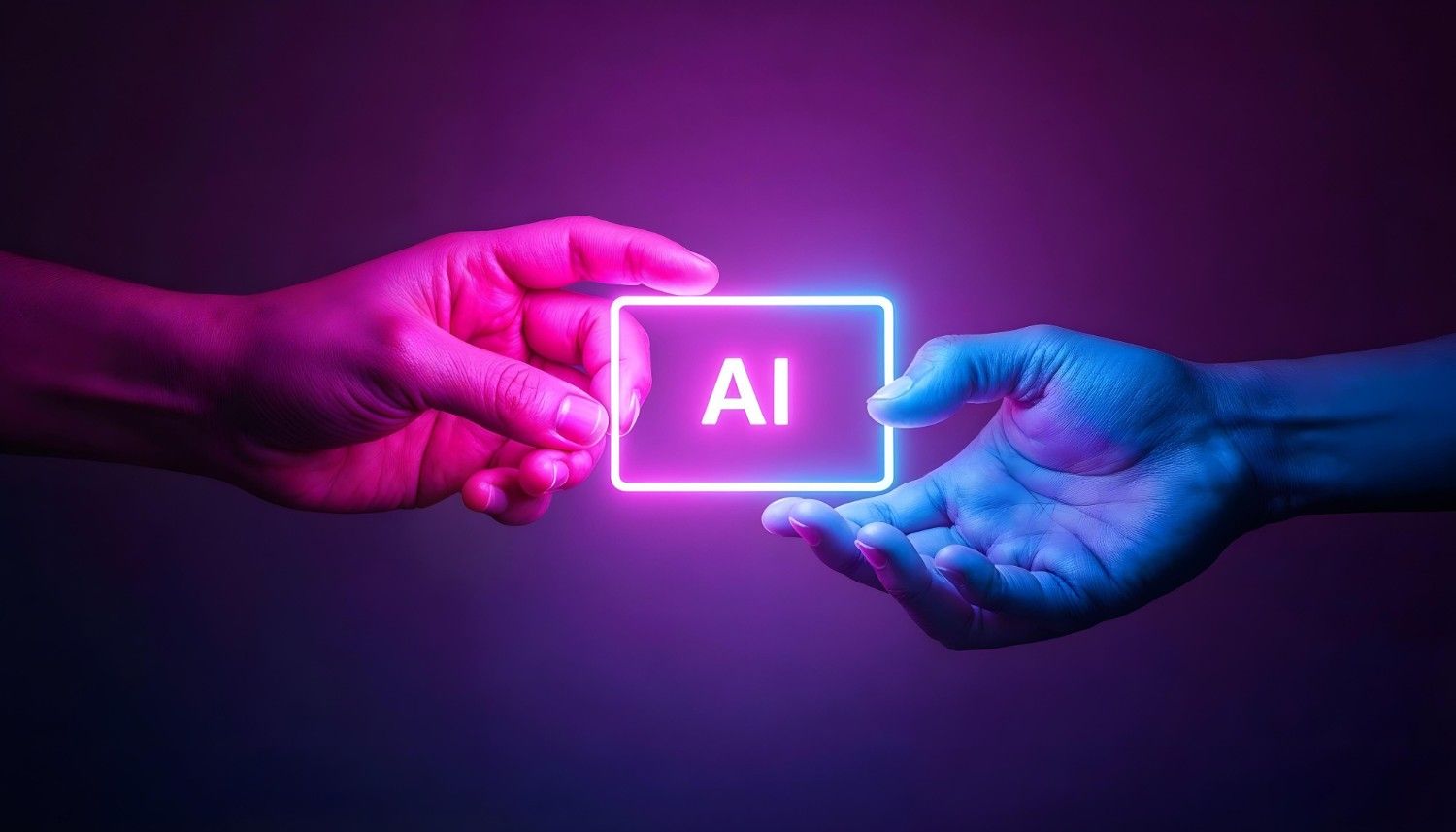
The relationship resembles collaboration rather than replacement.
Building Websites That Expect AI Interaction
Another shift is happening inside the products themselves. Many modern websites now include AI features directly within their functionality.
Applications may generate content dynamically, interpret user queries, or provide conversational interfaces. As a result, developers increasingly design systems that anticipate AI inputs and outputs.
This means:
- Structuring data so AI systems can interpret it efficiently
- Creating interfaces that adapt to generated responses
- Designing workflows where human interaction and AI interaction coexist
Developers no longer treat AI as an external tool. It becomes a built-in capability of the digital experience.
A New Standard for Web Development
Web development has always evolved quickly, but the pace of change around artificial intelligence feels different. Instead of adding another tool to the workflow, AI reshapes the entire process of building digital products.
Developers write less repetitive code. Design adapts faster. Testing becomes continuous rather than occasional. Websites respond to user behavior in real time.
The most successful teams treat AI not as a shortcut but as a productivity partner. They combine human creativity with intelligent automation to produce better websites in less time.
The shift toward AI-first development is still unfolding, but one thing is already clear. The future of site building will revolve around collaboration between developers and intelligent systems, where creativity, structure, and speed work together to shape the next generation of the web.